I got sober in 2021 and, like most people entering recovery, I was initially much more interested in solving the immediate problem than developing a new philosophy for how to live my life. The Twelve Steps introduced me to a framework I hadn’t encountered in quite that way before, built around ideas such as acceptance, honesty, accountability, willingness, reflection and making amends. They also forced me to think considerably more about control: what was actually mine to change, what wasn’t, and how much energy I had spent confusing the two.
What surprised me was how quickly those ideas became useful outside recovery. Acceptance mattered when circumstances at work weren’t what I wanted them to be. Accountability changed the way I thought about leadership and difficult relationships. Willingness became relevant whenever I knew something needed to change but was still resisting what that change might require of me. Reflection and awareness made me notice patterns in my behaviour that had nothing to do with alcohol, while making amends raised much broader questions about responsibility and what we owe other people when our actions affect them.
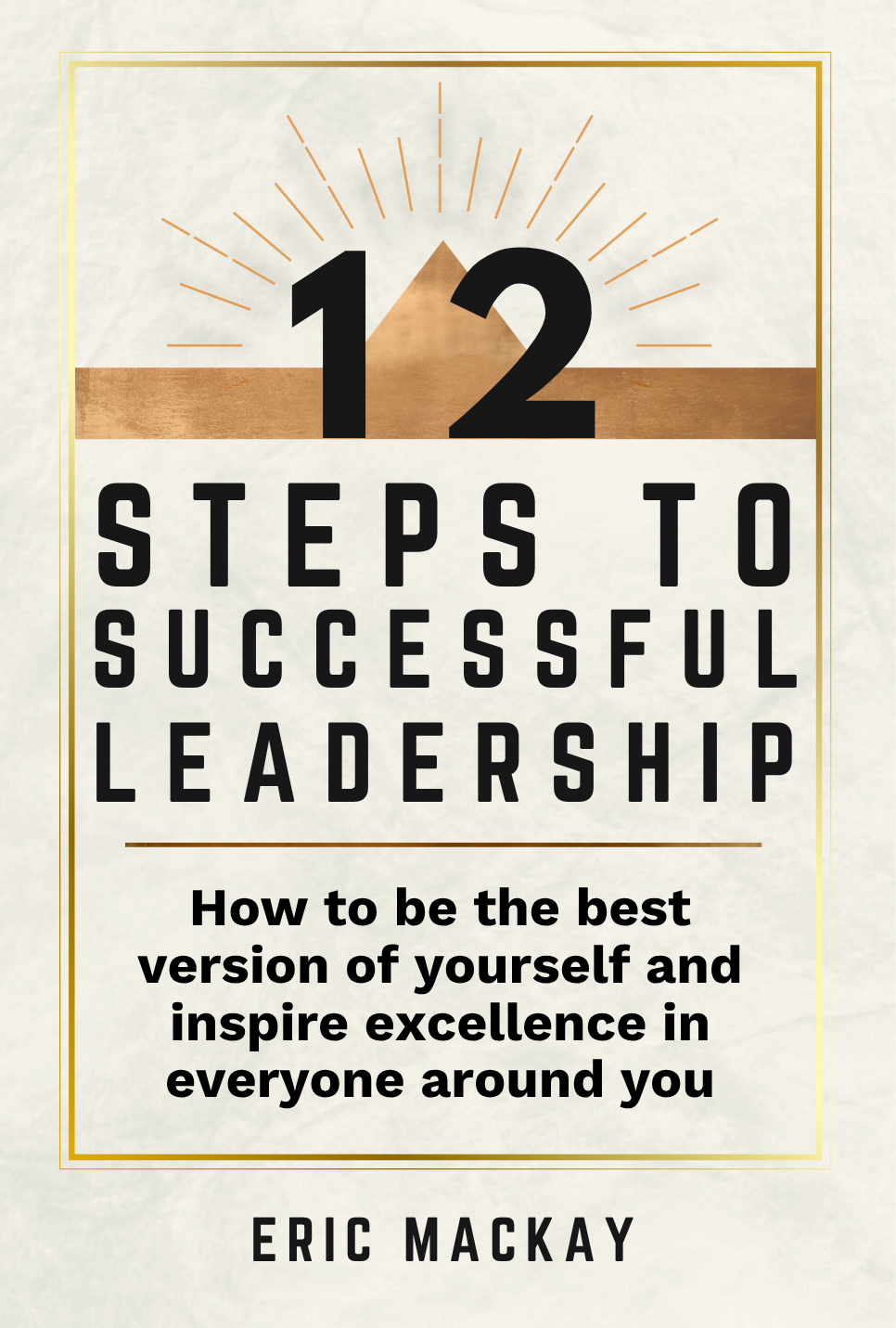
Eventually, I began to wonder why we tend to encounter some of these ideas only after something has gone seriously wrong. That question became 12 Steps to Successful Leadership, my first attempt to take principles I had encountered through recovery and examine what they might mean in the workplace. 12 Steps to Success: Finding Your Purpose broadened the question considerably, looking at how the same underlying ideas might help us think about identity, purpose, success and the way we build our lives.
None of this is an attempt to rewrite recovery as a universal self-help programme, and I don’t think everybody needs to work through the Twelve Steps. I remain ambitious, care enormously about my career and enjoy conventional forms of success, so the argument isn’t that achievement is somehow superficial or that we should want less from our lives. I’m much more interested in understanding what we are asking those things to do for us. Achievement can be enormously satisfying without needing to establish our worth. Ambition can take us somewhere extraordinary without necessarily telling us where we should go next. The framework simply gave me a different way to examine some of those questions.